If newly installed, verify that all shipping braces have been removed. Check the shaft timing if starting was attempted with shipping braces installed.
Are there any mechanical interference’s on the pan or balancer restricting the motion of the conveyor?
Is a soft start connected to the motor? Soft starts are not recommended and ramp up time is undesirable for vibratory equipment. Only a motor contactor should be used.
On new machines, there are shipping braces in empty reaction spring locations to prevent movement during shipping. All shipping braces must be removed prior to startup.
Do not allow the pan or balancer to impact anything during operation. Clearance specifications are provided in the operation and maintenance manual. Check for mechanical interferences that restrict the motion of the conveyor.
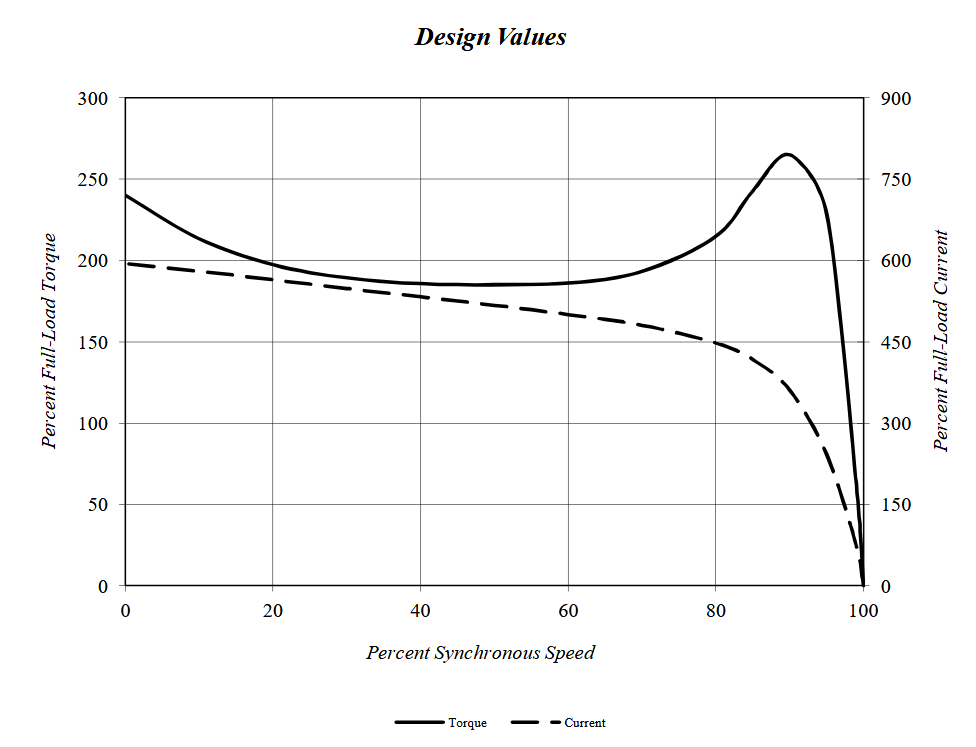
Natural frequency vibratory equipment has the highest electrical load during startup. Once the operating speed is reached, the electrical load is reduced. The mains supply needs to provide full rated voltage and current during the first few revolutions until the machine is at operating speed. Motor soft start devices can prevent vibratory equipment from starting. ACTION Equipment uses Toshiba NEMA B motors. Toshiba NEMA B motors provide higher pull up torque than typical NEMA B motors. Consult the Toshiba motor data sheet for amperage draw rating during starting. The motor must be provided with Toshiba data sheet peak demand amperage during startup.
Replacement motors may not have the pull up torque compared to the original equipment Toshiba motor. While vibratory equipment may use a fraction of installed horsepower during steady state operation it typically needs a lot of torque to get up to speed. Consult with action if motor must be substituted from a different brand.
Shock loads or restarting a machine that has not fully stopped can cause the eccentric shaft timing to slip. Incorrect shaft timing increases the torque required to start the conveyor. This results in higher current draw on the motor and can cause electrical trips, or higher amp draw during operation than normal. Check the drive timing and reset if necessary. Instructions for setting the shaft timing are provided in the operation and maintenance manual.